Accounts Payable
The Benefits of Automation in the Procure-to-Pay Process
SHARE
Mohammed Kafil
The Benefits of Automation in the Procure-to-Pay Process
In today's fast-paced and competitive business landscape, an efficient and streamlined Procure-to-Pay (P2P) process could be crucial for your organization to thrive. Consider adopting automation within your P2P processes to drive your success even further. Doing so can significantly improve procurement, e-procurement, and overall business operations.
This comprehensive guide will explore some benefits of automating the P2P process and how it can revolutionize your organization.
Understanding Procure-to-Pay (P2P)
Procure-to-Pay, or P2P, is the end-to-end process encompassing the various stages of procurement, from sourcing and selecting suppliers to managing contracts, processing invoices, and ensuring timely payments. Procure-to-Pay automation involves utilizing robust software to dramatically reduce errors, inefficiencies, and performance issues within your procurement process.
The P2P Process: Key Components
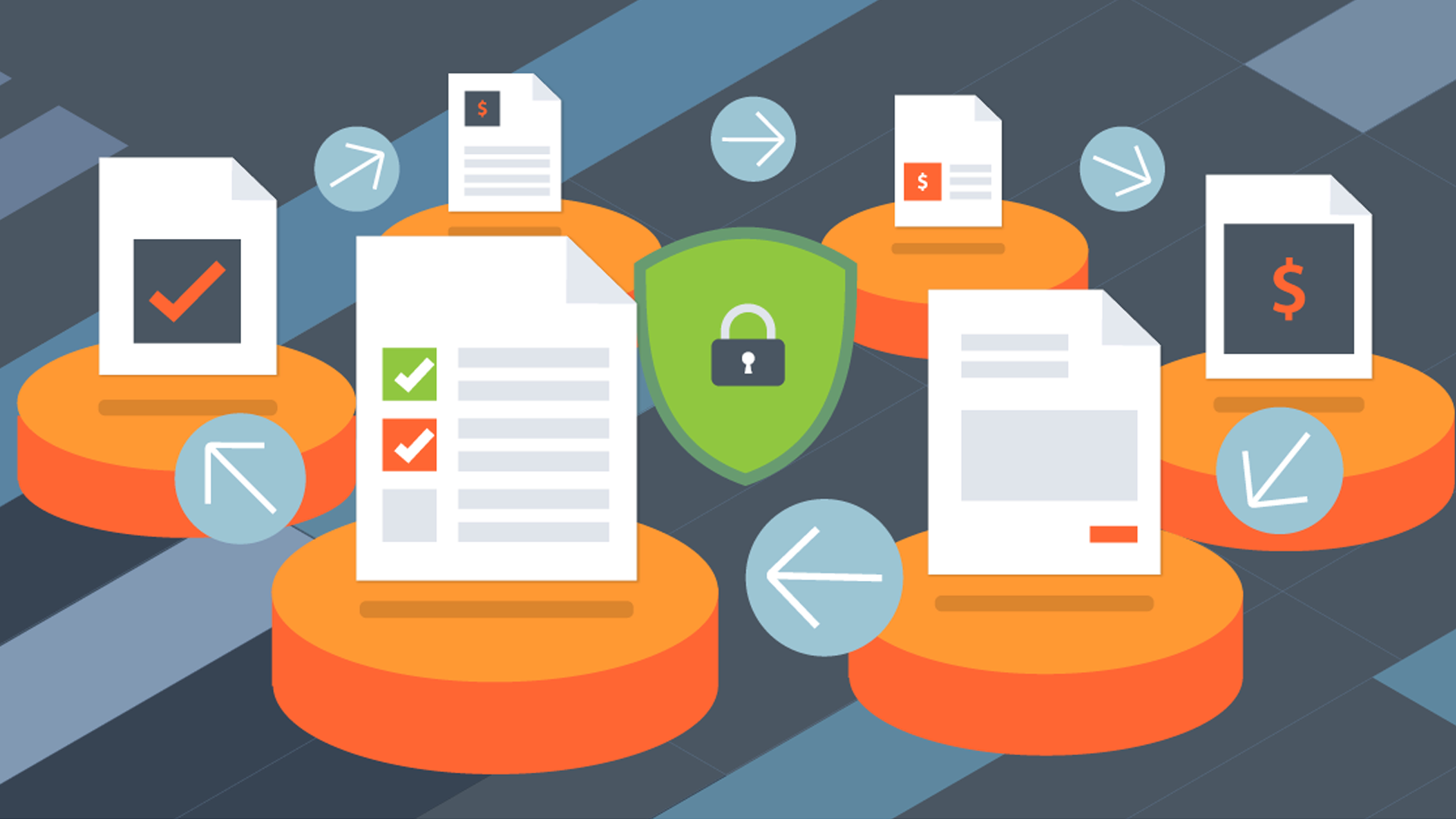
The P2P process can be broken down into several key components, including:
1. Intake Management
Identifying the organization's needs and initiating the procurement process.
2. P2O (Purchase-to-Order)
Creating and issuing purchase orders to suppliers.
3. Invoice 2 Payments
Processing invoices, facilitating approvals, and making payments.
4. Payouts
Ensuring timely and accurate payments to suppliers.
5. Supplier Portal
Providing a platform for suppliers to manage their information, view order statuses, and communicate with the organization.
6. Supplier Enablement
Onboarding and managing suppliers and ensuring compliance with organizational policies and regulations.
7. Integrations
Seamlessly connecting various systems and software solutions to support the P2P process.
8. ACH (Automated Clearing House)
Automating transferring funds between banks and other financial institutions.
9. Touchless Invoicing
Utilizing automation technologies like Invoice OCR (Optical Character Recognition) to reduce manual data entry and processing.
10. 3-Way Matching
Automatically comparing purchase orders, invoices, and receipts to ensure accuracy and compliance.
Advantages of Procure-to-Pay Automation
Organizations can reap several benefits by automating these key components, leading to a more efficient and effective P2P process. If you are considering transitioning to procure-to-pay automation, it could be helpful to learn about its benefits. Here are some of the noteworthy advantages of Procure-to-Pay Automation.

1. Tactical Procurement Simplified
Automation simplifies the tactical aspects of procurement by streamlining processes such as sourcing, supplier selection, and contract management. With the help of Procure-to-Pay Process software, organizations can quickly reduce errors and enhance efficiency, monitor supplier performance, evaluate bids, negotiate contracts, and streamline strategic decision-making.
2. Streamlined Intake Management
Automating the intake management process allows for faster identification of organizational needs and initiating of procurement processes. This results in reduced lead times, improved accuracy, and better department collaboration.
3. Enhanced P2O Process
At times, the purchase-to-order process can be complicated to track and manage. P2P automation simplifies it by automating repetitive tasks such as creating purchase orders, generating contracts, and dispatching notifications—this results in reduced errors, improved consistency, and faster processing times.
4. Improved Invoice 2 Payments Efficiency
Redundant manual tasks are the most problematic aspects of an outdated purchase-to-order process. They often increase your exposure to human error, inconsistencies, and compliance issues. However, by automating the invoice-to-payments process, manual tasks like data entry and invoice approvals will enable you to achieve high efficiency in your data extraction and input. For the best results, consider software that leverages touchless invoicing and invoice OCR technology for invoice capture and management.
5. Seamless Supplier Enablement and Management
Automating supplier enablement and management processes helps suppliers comply with organizational policies and regulations. This results in better supplier relationships, improved performance, and reduced risk.
6. Efficient Integrations and ACH
P2P automation enables seamless integrations between various systems, such as ERPs, accounting software, and other financial plans. This improves data accuracy, reduces manual work, and enhances overall efficiency. Automated clearing house (ACH) technology further streamlines the payment process by facilitating electronic transfers between banks and financial institutions.
7. Optimized 3-Way Matching
Automation simplifies the three-way matching process by automatically comparing purchase orders, invoices, and receipts. It reduces errors, improves compliance, and faster invoice processing times.
8. Cost Savings through Discounts and Early Payments
P2P automation enables organizations to take advantage of early payment discounts offered by suppliers. Additionally, improved cash flow management and visibility into payment statuses allow your organization to make better-informed decisions, leading to more strategic negotiations and cost savings.
9. Simplified Subscriptions and Services Procurement
Automation simplifies the procurement of subscriptions and services, such as software licenses, maintenance agreements, and consulting services, improving your contract management, accuracy, and compliance.
10. Efficient Timesheet Management
P2P automation enables organizations to manage timesheets for contractors and temporary staff efficiently and in compliance with labor regulations. It also means less manual work and improved accuracy, which is always good for your organization.
Conclusion
In conclusion, procure-to-pay automation offers numerous benefits that can revolutionize an organization's P2P process. Organizations can significantly improve efficiency, accuracy, compliance, and overall business performance by automating various process components. As a result, organizations can focus on more strategic initiatives and drive growth in today's competitive business landscape. So, if you want to streamline your organization's P2P process, it's time to embrace automation and unlock its full potential.
About Zapro
With Zapro, you get a powerful toolkit to streamline your Procure to Pay processes. Our features include Automated Procurement, AP Automation, Sourcing, Contracts, Travel & Expense Management, Integrations, Compliance, Reports & Analytics, Support offerings, and Data Insights. We make operations simpler, boost efficiency, ensure compliance, provide valuable analytics, and offer comprehensive support, empowering your business to achieve the best procurement outcomes.